Commercial Waste Woking

Commercial waste Woking businesses can rely on should be handled with a clear process, sensible segregation and a service scope that fits day-to-day operations. We remove mixed business waste, office rubbish, bulky items and recyclable materials from commercial premises, helping keep stockrooms, work areas and back-of-house spaces usable. Where different waste streams need separating, we can work through them in a practical order so disposal stays controlled rather than becoming a disruption.
This homepage sets out the main service areas and the kinds of waste businesses commonly need collected. It also points you to further information on disposal, office clearances, specialist items and our approach to pricing. If you are comparing options, look for a provider that can handle the load type properly, explain what is accepted and keep the collection process straightforward. Request a quotation when you are ready to arrange a collection.
For businesses with regular waste output, it helps to think beyond a one-off uplift. Waste accumulates in bins, stores, under desks and in shared service areas, and the right collection plan keeps those spaces manageable. Our service is designed to support commercial settings that need a tidy, lawful route for everyday waste as well as occasional clear-outs, without making unnecessary fuss around the job.
Business waste collections for workplaces and trade premises
Our business waste removal service covers the kind of mixed commercial rubbish that appears in offices, retail units, workshops and shared premises. That may include packaging, broken fittings, redundant stock, general rubbish and non-hazardous items that no longer have a place on site. The aim is to remove waste cleanly and leave the space ready for use again, while keeping the collection process direct and workable for the person arranging it.
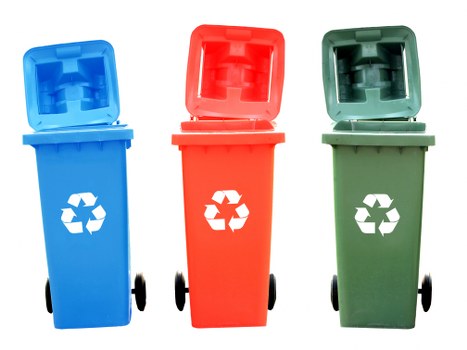
Where a workplace produces several waste types at once, a sensible approach is to separate what can be recycled from what needs general disposal. Cardboard, plastics, metal and reusable office contents often require different handling from bagged rubbish or damaged fixtures. If you are planning a clearance, it can help to identify the main categories in advance so the visit can be scoped accurately and the right vehicle, labour and disposal route can be considered.
Choosing the right collection type
Different commercial settings need different levels of service. A small office may only need a straightforward uplift of accumulated rubbish, while a larger site may be clearing rooms, corridors or storage areas in stages. The most effective solution is usually the one that matches the waste type, the access available and the amount to be removed. That keeps the job practical and avoids paying for capacity you do not need.
Office, furniture and equipment clearances

Some businesses need more than a simple bin-emptying service, especially when furniture or old equipment has to go. Our office clearance service is suitable for desks, chairs, filing units, partitioning, shelving and mixed office contents that have reached the end of their useful life. If a workspace is being rearranged, refurbished or vacated, a targeted clearance can remove items in a controlled way without turning the process into a major disruption.
We also handle furniture disposal and furniture clearance where bulky items need attention alongside smaller waste. That can be useful when seating, cabinets, counters or storage pieces are too large for normal waste bins. For commercial customers, the main decision is often whether the job is best treated as mixed waste removal or as a more focused furniture uplift. The answer depends on what is present, how much needs moving and how the items are stored.
In practical terms, furniture and equipment jobs tend to work best when the items are grouped by room or by type. Clear access and a simple inventory make it easier to estimate the work involved, especially if stairways, lifts or shared entrances need to be used. When the contents include both bulky and small items, combining them into one properly planned removal can be more efficient than arranging several separate visits.
Specialist items and controlled disposal
Not every item in a commercial setting belongs in a general waste load. For fridges, catering appliances and other larger units, our fridge and appliance removal service provides a route for heavy items that need careful handling. For businesses disposing of mattresses, sofas or similar upholstery, mattress and sofa disposal offers a better fit than forcing those items into a general clearance. These categories often need separate planning because size, construction and disposal requirements can differ from standard rubbish.
When a site produces material that needs tighter control, hazardous waste disposal may be the relevant route. That subject needs caution, because not all waste is suitable for ordinary collection and some items require specific handling or restriction. We do not present hazardous work as a catch-all service; instead, it is one part of a wider waste picture where the right classification matters. If you are unsure whether an item belongs in a special category, it is sensible to check before arranging removal.
For businesses, the key question is whether an item is simply bulky, or whether it carries a disposal requirement that affects handling and destination. Appliances, upholstered items and controlled materials are a reminder that waste is not all the same. A well-matched collection reduces the risk of delay, avoids confusion at the point of removal and helps keep the rest of the site moving while the waste leaves.
Waste removal arranged around your site
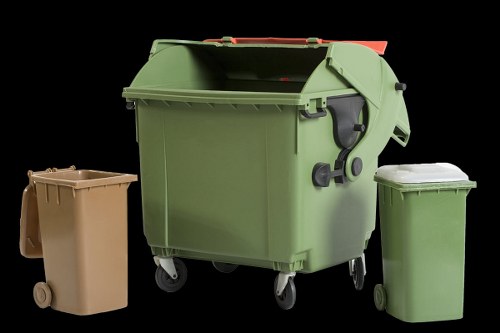
Our broader waste removal service is there for commercial customers who need general waste taken away without tying the job to one narrow category. That can suit premises with a mixed load of rubbish, redundant contents and bulky items that do not sit neatly within a single specialist page. If you are managing a one-off clear-out, refit or tidy-up, the value of a general waste service is that it gives you a straightforward route for getting the premises back into order.
Site layout matters as much as waste type. Some premises have rear access and easy loading; others have limited parking, shared corridors or tight internal spaces. A sensible arrangement takes those conditions into account, along with the volume of waste and the need to separate recyclable contents from general rubbish. If the items are spread across more than one room, a brief list by area can help shape the collection plan and make the removal day easier to manage.
To prepare a quotation, it helps to note the main waste types, the approximate amount to be removed and any access points or restrictions. Simple, accurate details are usually more useful than long explanations. If the job includes a few different categories, you can mention those together so the service can be matched properly. If you are ready to move on, make an enquiry for pricing and we can help with the next step.
Pricing, quotations and what affects the job
Our pricing and quotes page gives more detail on the information that helps shape a quotation. For commercial waste, the main factors are usually the type of material, the overall amount, loading conditions and whether any items need special handling. A small tidy-up and a fuller clearance are rarely priced the same way, because labour, vehicle space and disposal routes may all change from one job to another.
When comparing options, it is worth looking at what is included in the service rather than focusing only on the headline figure. Two jobs that look similar can differ because one involves simple bagged waste while another includes bulky furniture, appliances or awkward access. A clear description of the work helps reduce uncertainty. If the site has more than one waste area, grouping them sensibly can make the quotation process more accurate.
For businesses that prefer a structured approach, a concise list of waste categories and a note of the quantities involved is often enough to start the conversation. You do not need to overcomplicate it. The aim is to identify the likely disposal route and the scale of the collection so the price is based on the actual work required, not guesswork.
Recycling, shredding and responsible handling
Commercial waste often contains more than one material type, and that is where a sensible sorting process matters. Our recycling and sustainability information explains the value of separating recyclable items where possible, especially in offices and shops where cardboard, paper, metal and other recoverable materials can make up a useful share of the load. Responsible handling is not about using a slogan; it is about choosing the right route for each waste stream.
For businesses with confidential material, confidential shredding may be relevant alongside general waste removal. Paper records, printed files and other sensitive documents should be managed differently from ordinary rubbish, particularly where privacy and data handling matter. That does not mean every office clearance needs a separate specialist job, but it does mean the contents should be checked so confidential material is not mixed in by accident.
When waste is sorted with care, the whole collection becomes easier to explain and easier to manage. It also helps the business decide what should be stored, recycled, shredded or removed outright. If your premises generate a mix of general rubbish and sensitive or recyclable material, treating those streams separately at the planning stage can make the final collection more orderly.
House, loft and garage clearances for mixed premises
Some commercial customers need services that look similar to domestic clearances because the premises include living spaces, staff accommodation or mixed-use rooms. Our house clearance, loft clearance and garage clearance pages describe the kinds of spaces where accumulated items, stored goods and redundant contents may need to be removed. These services can be useful where a business property has storage areas or ancillary spaces that have filled up over time.
For broader clear-outs, home clearance and flat clearance offer a similar approach where the work involves multiple rooms, cupboards, lofts or outbuildings. The useful point for a business customer is not the label itself, but whether the service matches the nature of the contents and the access available. A clearance for one compact space may need a different plan from a full building of mixed rooms.
If you are sorting through long-term storage, it can help to separate obvious rubbish from items that may be reusable, recyclable or worth keeping. That reduces confusion on the day and keeps decision-making simple. Where several spaces are involved, a room-by-room note is often the easiest way to explain the scope of the work.
About Woking
Woking is a town in Surrey with a long history that stretches from a medieval settlement into a modern commercial centre. It lies in the north-west of the county and is closely connected by rail to London and other parts of the South East, which has shaped its growth as both a residential and business location. The town centre combines newer retail and office development with older routes and established neighbourhoods, while the wider borough includes a mix of urban streets, green corridors and more rural edges. Woking’s modern identity is often linked to late nineteenth-century expansion, when the arrival of rail travel accelerated development and helped transform the area from a smaller market town into a more substantial place. One of the best-known local landmarks is the Victorian-Gothic St John the Baptist Church, designed by George Gilbert Scott, which stands as a reminder of that period of civic confidence and architectural ambition. Another distinctive feature is The Lightbox, a contemporary arts and heritage venue that reflects the town’s cultural focus. Nearby, the Basingstoke Canal provides one of the area’s most recognisable waterways, with towpaths, wildlife and long views that contrast with the denser built-up parts of the town. The canal is an important part of the local landscape and connects Woking with a wider network of historic routes. Elsewhere, green spaces such as Woking Park and landscaped residential areas add to the town’s character, while the surrounding borough includes places with their own identities, from suburban districts to villages and open land. The result is a place where shopping, work, leisure and everyday movement overlap, and where the built environment ranges from contemporary developments to buildings that reflect earlier phases of growth.
Further support for business customers
The practical side of arranging waste removal is often about timing and clarity. If you are clearing a trading space, it helps to know whether the job is a simple uplift of bagged rubbish, a furniture-heavy removal or a mixed disposal project. Our service pages let you look at the relevant category in more detail, so you can choose the route that fits the contents rather than forcing everything into one broad heading. That can be especially useful where a workplace is changing use or preparing for refurbishment.
Related pages such as builders waste clearance and book online may also be useful if your commercial premises are being altered or if you prefer a more direct way to arrange the work. Builders waste is different from day-to-day office rubbish because it often contains rubble, timber, packaging and other post-project debris. Knowing which type of waste you have helps the arrangement stay accurate and avoids mixing up clearance categories that need different treatment.
If you are not sure which page best fits your waste, start with the main description and then use the supporting service pages to narrow it down. A straightforward enquiry is usually enough to identify the likely route. Send over the details when you are ready, and we can help turn the waste list into a clear quotation.
Start with a clear quotation request
When commercial waste starts taking up useful space, a well-planned removal is usually the quickest way to restore order. The important part is matching the service to the waste: general rubbish, office contents, bulky furniture, specialist items and controlled material all need their own consideration. This site gives you the main routes in one place so you can decide what fits before you ask for a price.
A useful quotation request does not need to be long. A short description of the items, the location within the premises and any access details is usually enough to begin. If the waste is spread across several rooms or includes more than one category, note that too. That makes it easier to quote the right service and reduces back-and-forth later in the process.
For the final step, use the contact route that suits you best and include the waste type, approximate volume and preferred timing. If you are ready now, request a quotation here.